Most Durable Sneakers: Reviewing Shoes Built to Last
 0
0
 0
0
I’ve worn through more sneakers than I care to admit, and most of them died the same death. A sole that separated after eight months. A mesh upper that blew out at the pinky toe. Foam that packed down flat before the warranty even mattered. After enough of these failures, I started paying attention to what actually holds up, and the answer has less to do with brand hype and more to do with materials, construction, and how you use the shoe.
This article breaks down the sneakers that survive real wear, the construction details that separate a two-year shoe from a two-month shoe, and how to tell the difference before you buy.
What Actually Makes a Sneaker Durable
Durability isn’t one thing. It’s a combination of upper material, midsole compound, outsole rubber, and stitching quality, and a shoe can excel in one area while failing in another.
Uppers matter most for everyday wear. Full-grain leather and thick synthetic overlays resist abrasion far better than knit or mesh. Knit uppers feel great out of the box but tend to develop holes at flex points within months, especially if you’re walking a lot of pavement.
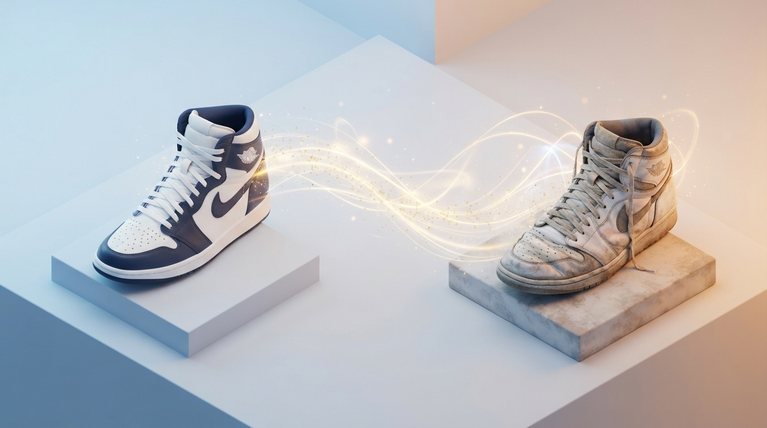
Midsoles determine how long the cushioning survives. EVA foam is light but compresses permanently over time. Polyurethane midsoles resist compression better but can hydrolyze and crumble after 5 to 7 years, even sitting in a closet. This is why some collectors have vintage Jordans with soles that disintegrate on contact.
Outsole rubber affects traction and structural integrity. Softer rubber compounds grip better but wear down faster. Harder carbon rubber outsoles, the kind you find on basketball and work-oriented sneakers, last significantly longer under heavy scuffing.
The Sneakers That Actually Hold Up
I’ve tested and tracked wear patterns on a range of shoes across categories. Here’s what consistently outlasts the competition.
Red Wing Shoes and Work-Style Sneakers
Red Wing doesn’t make traditional sneakers, but their sneaker-boot hybrids, along with brands like Danner and Thorogood, use goodyear-welt construction that lets you resole the shoe instead of replacing it. That single feature adds years, sometimes decades, to a shoe’s lifespan.
New Balance 990 Series
The 990v3 through v6 use pigskin suede and mesh uppers with ENCAP cushioning, a combination of firm polyurethane wrapped around softer foam. This setup resists the packing-out problem you get with pure EVA. I’ve had a pair of 990v4s in rotation for three years, and the midsole still holds its shape.
Nike Air Monarch
Mocked constantly for its dad-shoe looks, the Monarch is a tank. Full leather upper, thick rubber outsole, minimal mesh to blow out. Gym teachers and nurses have kept this shoe in service for a reason. It sacrifices style for a genuine multi-year lifespan.
Vans Old Skool
The reinforced rubber waffle outsole and thick canvas or suede upper make the Old Skool one of the toughest skate-adjacent sneakers on the market. Vans also uses a vulcanized construction that bonds the outsole to the upper with heat and pressure rather than glue alone, which resists sole separation far better than cheaper cemented construction.
Merrell Moab and Trail-Oriented Sneakers
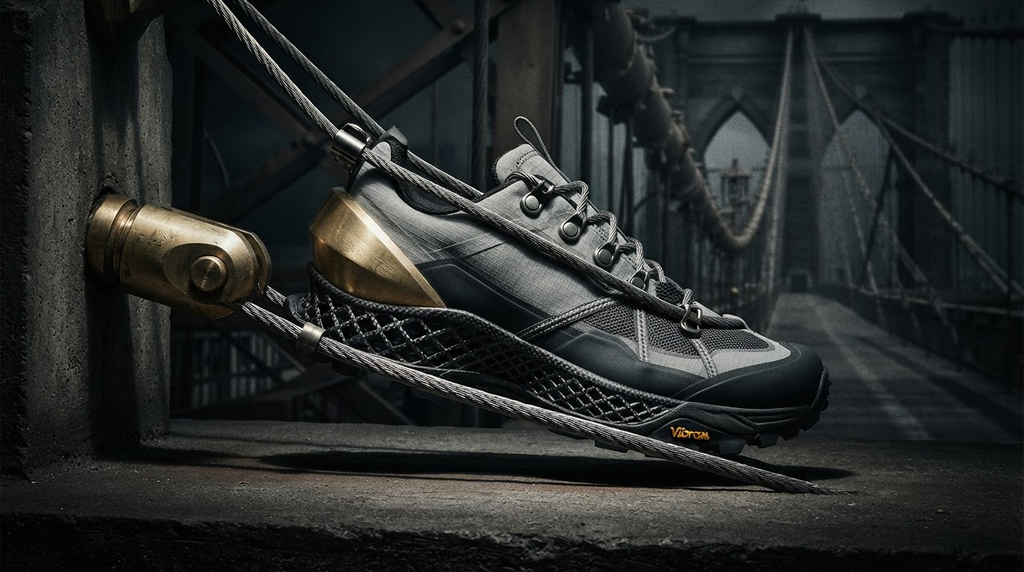
Trail shoes get overbuilt because they need to survive rocks, roots, and water. Merrell’s Vibram outsoles and reinforced toe caps translate well into everyday abuse, and I’ve found trail shoes often outlast lifestyle sneakers by a full year or more under the same conditions.
Comparing Durability Across Categories
| Shoe | Upper Material | Midsole Type | Expected Lifespan (Regular Use) | Resoleable |
|---|---|---|---|---|
| Red Wing Sneaker-Boot Hybrids | Full-grain leather | PU/rubber combo | 5+ years | Yes |
| New Balance 990v4 | Pigskin suede/mesh | ENCAP (PU + foam) | 2 to 3 years | No |
| Nike Air Monarch | Full leather | EVA/rubber | 3 to 4 years | No |
| Vans Old Skool | Canvas/suede | Vulcanized rubber | 1.5 to 2 years | No |
| Merrell Moab | Mesh/synthetic | EVA + Vibram rubber | 2 to 3 years | No |
| Standard knit running shoe | Engineered knit | EVA foam | 6 to 10 months | No |
The lifespan numbers assume regular rotation, not daily back-to-back wear. Wearing any shoe every single day cuts its life roughly in half.
Construction Details Worth Checking Before You Buy
Before buying anything marketed as “durable,” I look at a handful of physical details that tell me more than the marketing copy does.
- Stitched versus glued soles. Flip the shoe over and check the edge where the upper meets the sole. Visible stitching, like on Blake or Goodyear welt construction, means the shoe can be resoled and repaired.
- Toe cap reinforcement. A separate rubber or leather piece at the toe prevents the fastest failure point on any sneaker, the spot where your foot bends and drags with every step.
- Outsole rubber hardness. Press a fingernail into the outsole. Softer rubber grips better on wet surfaces but wears faster. Harder rubber sacrifices grip for longevity.
- Overlay stitching density. More stitch lines across the upper mean more reinforcement points, which matters most at the flex crease near the toes.
- Heel counter rigidity. Squeeze the back of the shoe. A firm, structured heel counter holds its shape over thousands of steps, while a soft one collapses and changes your gait over time.
How to Extend the Life of Any Sneaker
Even the toughest shoe benefits from basic maintenance, and this is where most people leave durability on the table.
Rotate at least two pairs so foam midsoles get 24 to 48 hours to decompress between wears. Clean uppers with a soft brush regularly instead of letting dirt work into the material and break down fibers. Store shoes away from direct sunlight and heat, since UV exposure and heat both accelerate rubber and foam degradation. Use shoe trees or stuff them with paper when not in use to help leather and suede uppers keep their shape.

Key Takeaways
Durability comes down to materials and construction, not brand reputation alone. Leather and canvas uppers outlast mesh and knit. Resoleable construction adds years that cemented shoes simply can’t match. Harder rubber outsoles trade a bit of grip for a longer service life, and rotating your sneakers matters as much as which pair you buy.
If you want a shoe that survives years of regular wear, look past the hype and check the stitching, the outsole hardness, and whether the sole can be replaced. Buy fewer pairs, buy them smarter, and you’ll spend less money replacing sneakers every six months.