
Long Term Sneaker Review: How Sneakers Hold Up After 6 Months
 0
0
 0
0
Every sneaker looks great on day one. The box smell, the crisp midsole, the untouched outsole. That first-week glow tells you nothing about what actually matters: how a shoe performs after months of real wear. I’ve spent years buying pairs, running them into the ground, and taking notes along the way. This is what six months of honest use actually reveals.
Why the First Month Doesn’t Matter
Sneaker reviews published right after release are close to useless for judging durability. A shoe that feels locked-in and fresh at week one can fall apart by week twelve, and you’d never know it from a launch-day review.
I track every pair I buy for at least 180 days before I trust my own opinion of it. That window exposes the stuff that only shows up with repetition: cushioning that packs out, foam that yellows, outsoles that start peeling at the toe. None of that shows up in a first-wear impression.
The six-month mark is a sweet spot. It’s long enough to separate hype from substance, but short enough that most people can relate to it. If you wear a pair two to three times a week, you’re looking at roughly 75 to 100 wears by that point, which is enough to stress-test a shoe properly.
The Areas That Break Down First
Not every part of a sneaker ages at the same rate. Some components are built to last years, while others start showing wear within weeks. Knowing where to look tells you a lot about how a shoe will perform long term.
Midsole Cushioning
Foam compression is the biggest factor in how a sneaker feels after six months. EVA foam, the cheapest and most common cushioning material, tends to pack out fast. Compression foams like Nike’s ZoomX or adidas Boost hold their bounce longer, but even those lose some responsiveness with heavy use.
I noticed a clear pattern across a dozen pairs I logged: shoes with single-density EVA soles lost noticeable bounce by month three, while dual-density or PU-based setups stayed lively past month six. If a comfortable ride matters more to you than looks, check what foam is under your foot before you buy.
Outsole Wear
Rubber compound and tread pattern decide how fast the bottom of your shoe gives up. Softer rubber grips better out of the box but wears down quicker. Harder rubber compounds last longer but can feel slippery on smooth surfaces until they’ve been broken in.
Herringbone and waffle patterns tend to hold their traction longer than smooth or minimal patterns, especially outdoors. If you’re rotating a pair through daily walking, running errands, or light gym use, outsole pattern matters more than most people realize.
Upper Materials
This is where six months separates the good builds from the flashy ones. Knit uppers look sleek and breathe well, but many stretch out or develop holes at flex points, especially near the pinky toe. Leather ages better structurally but needs conditioning to avoid cracking. Suede holds shape well but shows dirt and scuffing fast.
Stitching and Glue
Cheap adhesive is the silent killer of sneaker longevity. Sole separation, especially at the toe, is one of the most common six-month failures I’ve seen, and it’s almost always tied to weak bonding rather than the materials themselves.
A Six Month Breakdown by Category
Here’s how different sneaker types typically perform after roughly 100 wears, based on my own rotation and notes from other long-term testers.
| Sneaker Type | Cushioning at 6 Months | Outsole Wear | Upper Condition | Overall Verdict |
|---|---|---|---|---|
| Running shoes (daily trainer) | Noticeable compression, still usable | Moderate to heavy at heel | Mesh often thinning | Replace or rotate out |
| Basketball shoes | Holds up well if used for casual wear | Light if worn outdoors sparingly | Synthetic leather holds shape | Strong performer |
| Classic leather sneakers (e.g. Stan Smith style) | Firm, minimal change | Light wear on flat outsole | Leather softens, ages well | Excellent long-term value |
| Lifestyle knit sneakers | Foam softens slightly | Light wear | Knit stretches, may show holes | Mixed, style over substance |
| Skate shoes | Firm, built for abuse | Heavy at ollie zone | Reinforced areas hold, others wear | Good if you skate, average otherwise |
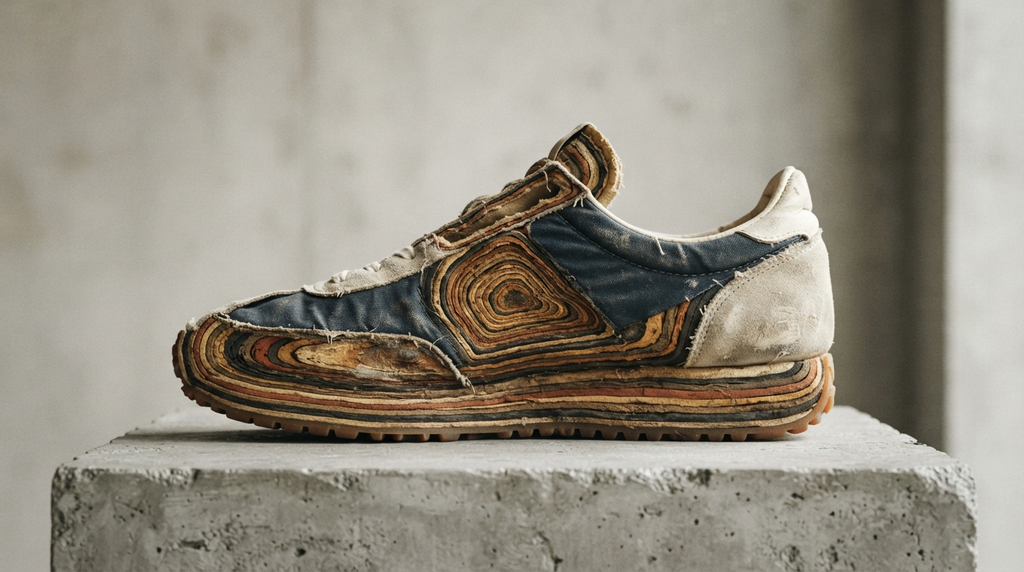
The pattern is clear. Shoes built with simpler materials and fewer trend-driven design choices tend to age the most gracefully. Classic leather sneakers consistently outperform flashier knit or mesh options over a six-month stretch.
What Actually Extends a Sneaker’s Life
A few habits make a bigger difference than people expect. I’ve tested this by running near-identical pairs side by side, one cared for, one neglected, and the gap after six months is significant.
- Rotate at least two pairs so no single shoe absorbs all your daily wear
- Let shoes fully dry between wears instead of wearing them damp
- Use a shoe tree or stuff them with paper to hold shape when not worn
- Clean suede and leather regularly instead of waiting until they’re visibly dirty
- Avoid machine washing unless the manufacturer specifically says it’s safe
- Swap insoles once they visibly flatten, since a fresh insole can extend the life of the whole shoe
Rotation alone is the single biggest lever. A sneaker that rests for 48 hours between wears has more time for the foam to decompress and the moisture inside to evaporate, which slows down long-term breakdown considerably.
Reading the Signs of a Shoe on Its Way Out
Some warning signs show up gradually, and it’s easy to keep wearing a pair past the point where it’s actually helping your feet. Watch for creasing that turns into cracking on the upper, a heel that leans or wobbles when you set the shoe on a flat surface, or cushioning that feels flat compared to when the shoe was new. Any outsole separation at the toe or heel, even a small gap, tends to get worse fast and is worth addressing immediately rather than ignoring.

Final Verdict
Six months is the real test for any sneaker. It strips away marketing and hype and leaves you with the plain truth about materials, construction, and design choices. Classic leather builds and shoes with dual-density foam consistently earn their price tag over time, while trend-driven knit sneakers often look tired well before the half-year mark.
If you want a pair that still feels good at month six, prioritize construction quality over aesthetics, rotate your shoes, and pay attention to the small maintenance habits that add up. Buy smart, take care of what you own, and your sneakers will pay you back with months of solid performance instead of a fast decline.