Leather and Mesh Sneakers: Material Guide and Comparison
 0
0
 0
0
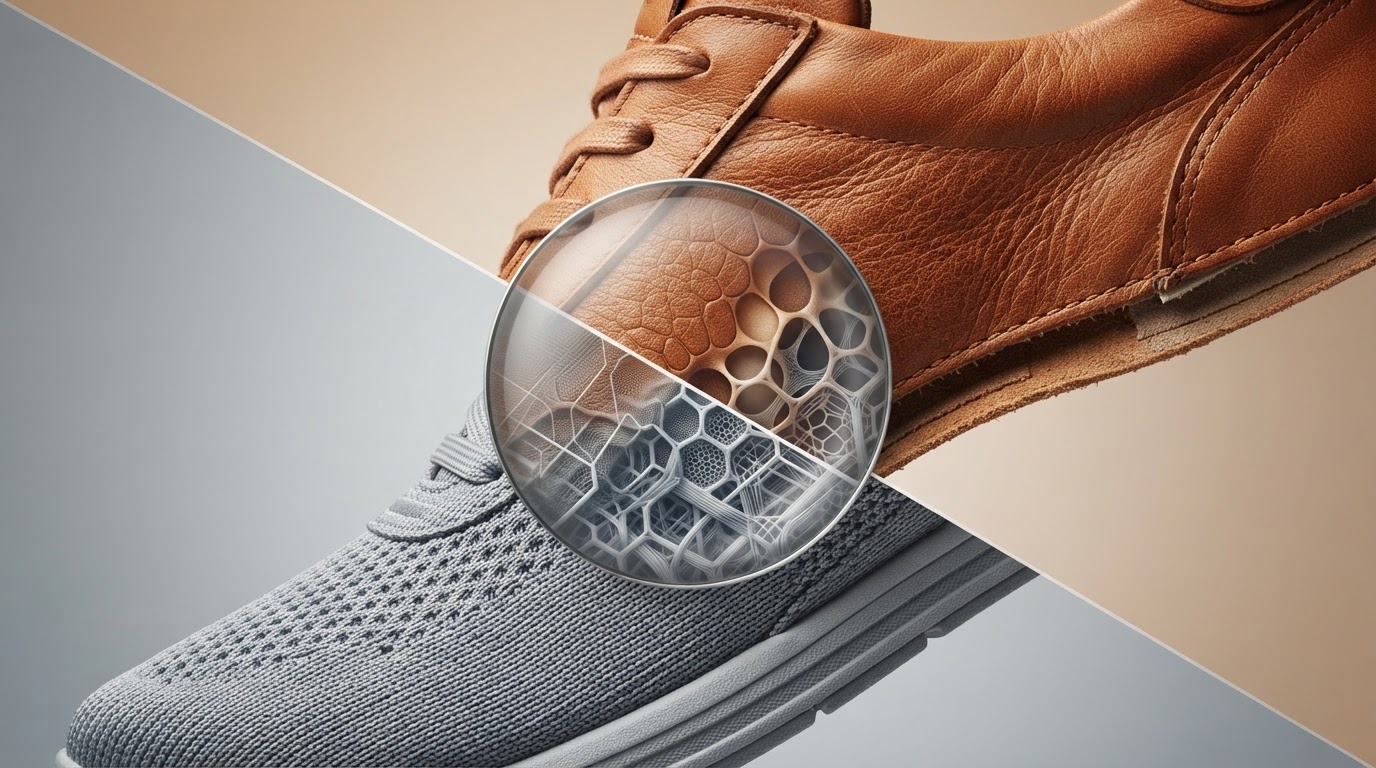
Pick up ten pairs of sneakers and you’ll probably find leather on some, mesh on others, and a mix of both on most of the rest. That’s not a coincidence. These two materials cover almost every performance and style need a sneaker has to solve, from breathability to structure to how the shoe ages over years of wear.
Understanding what each material actually does changes how you shop. Instead of buying based on looks alone, you start picking sneakers that match your climate, your workout, and how much maintenance you’re willing to put in. Let’s break down what leather and mesh bring to the table, where each one shines, and how the best sneakers blend them.
What Leather Brings to a Sneaker
Leather has been part of footwear for thousands of years for good reason. It molds to your foot, resists abrasion, and ages in a way that most synthetic materials can’t match. On sneakers, you’ll typically run into three types.
Full grain leather is the top tier. It keeps the natural grain of the hide, shows scratches and creases as character rather than damage, and lasts the longest of any leather type. Premium basketball shoes and heritage runners often use it on panels that take the most stress.
Nubuck and suede are leather variants that get buffed for a soft, textured surface. They look great and feel great, but they demand more care. A light rain can leave water spots on suede that take real effort to fix.
Synthetic leather, often called “pleather” or PU leather, mimics the look of real leather at a fraction of the cost and weight. It skips the break-in period and resists water better than natural leather, but it cracks over time and lacks the breathability of the real thing.
The Case for Leather
Leather earns its place in sneaker construction for a few concrete reasons.
- Durability: A well-made leather upper can outlast the midsole underneath it, especially in high wear zones like the toe box and heel.
- Structure: Leather holds its shape better than most alternatives, which matters for sneakers that need to support lateral movement.
- Water resistance: Treated leather sheds light rain and everyday splashes far better than untreated mesh.
- Aging character: Full grain leather develops a patina. Instead of looking worn out, it looks lived in.
- Easy cleaning: A damp cloth and the right conditioner handle most leather maintenance. No special detergents required.
The tradeoffs are weight and breathability. Leather is heavier than mesh, and even perforated leather traps more heat than an open knit material. If you’re chasing a personal best in a summer 10K, leather sneakers are the wrong tool.
What Mesh Brings to a Sneaker
Mesh is the material that made modern running shoes possible. It’s a woven or knit synthetic fabric, usually polyester or nylon, engineered to let air flow through while keeping the foot secure. Brands have pushed mesh technology hard over the past two decades, and today it comes in several distinct forms.
Engineered mesh uses varying knit density across a single piece of fabric. Tighter zones near the midfoot add support, while looser zones over the toes maximize airflow. This is the mesh you see on most performance running shoes from Nike, Adidas, and New Balance.
Knit mesh, popularized by Nike Flyknit and Adidas Primeknit, is built like a sock. It stretches with the foot, needs no seams, and reduces material waste in production. It’s become a favorite for both running shoes and lifestyle sneakers because it feels almost weightless.
Mesh with TPU overlays combines the breathability of open fabric with plastic reinforcement bonded directly onto stress points. This gives you structure without sacrificing much airflow, which is why it shows up constantly in trail and stability shoes.
The Case for Mesh
Mesh solves problems leather can’t touch.
- Breathability: Open weave construction lets heat and moisture escape, keeping feet cooler during activity.
- Weight savings: Mesh uppers weigh a fraction of comparable leather panels, which matters directly in running performance.
- Flexibility: Mesh flexes naturally with foot movement from the first wear, no break-in period needed.
- Quick drying: If mesh gets wet, it dries fast, unlike leather, which can take a full day.
- Better fit adaptability: Knit and engineered mesh contour to unusual foot shapes more easily than rigid leather panels.
The downside is durability. Mesh tears more easily than leather, offers less water resistance, and shows dirt and grime faster on light colors. A pair of all mesh running shoes might look tired after a year of regular use, while a leather pair from the same era could still look sharp with basic care.
Side by Side Comparison
| Category | Leather | Mesh |
|---|---|---|
| Durability | High, especially full grain | Moderate, prone to tearing |
| Breathability | Low to moderate | High |
| Weight | Heavier | Lighter |
| Water resistance | Good when treated | Poor |
| Break in period | Often required | Minimal to none |
| Maintenance | Moderate, needs conditioning | Low, machine washable in some cases |
| Best use case | Casual, lifestyle, structured athletic | Running, training, hot climates |
| Cost over time | Higher upfront, longer lifespan | Lower upfront, shorter lifespan |
Why Most Sneakers Combine Both
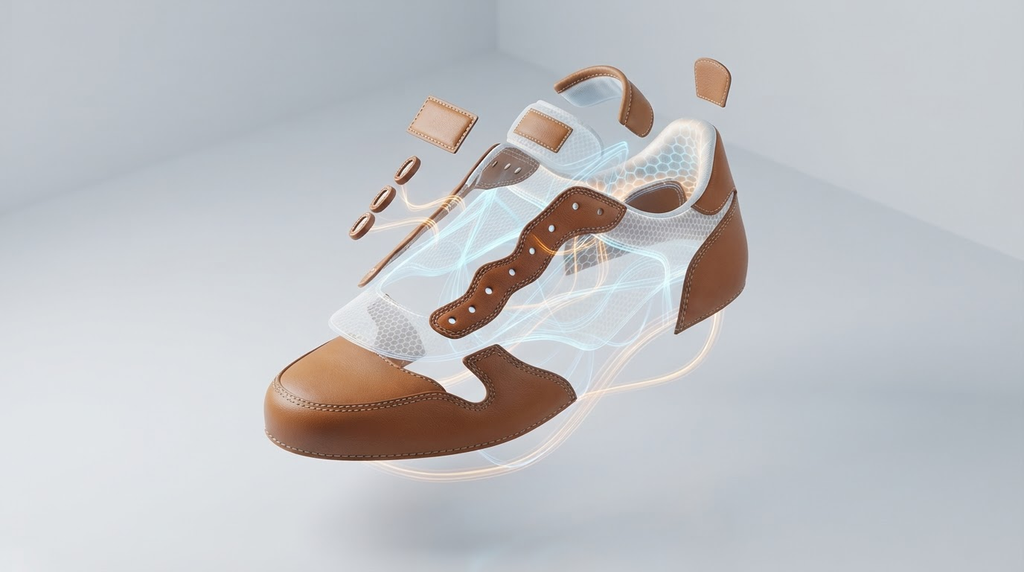
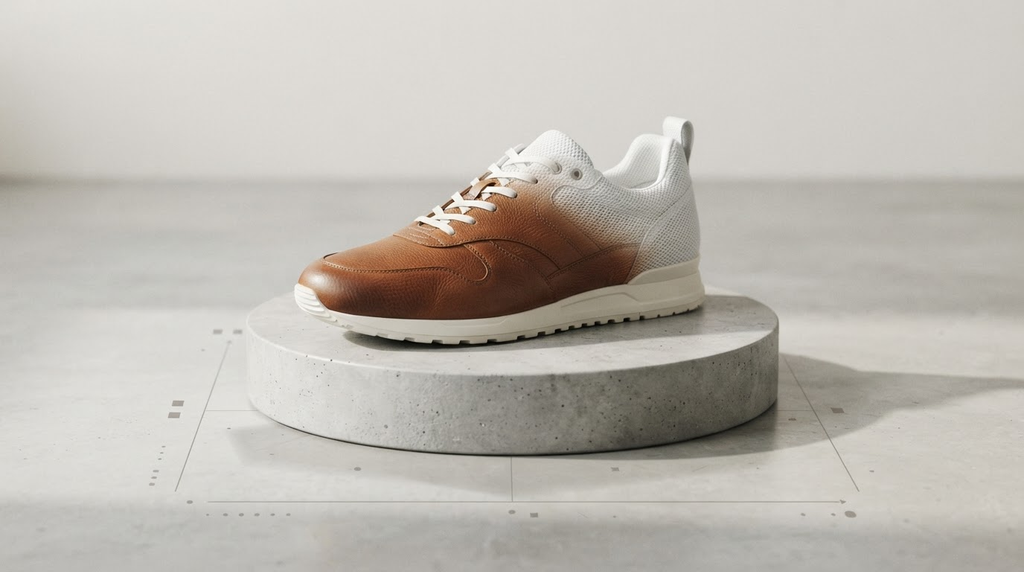
Look closely at almost any modern sneaker and you’ll see designers rarely commit fully to one material. A running shoe might use mesh across the entire upper but add a leather or synthetic leather heel counter for structure and heel lock. A basketball shoe might use leather panels on the outside for durability during lateral cuts, paired with mesh tongues and collars for comfort against the ankle.
This hybrid approach exists because feet need different things in different zones. The forefoot benefits from flexibility and airflow, which mesh delivers. The heel and midfoot benefit from support and abrasion resistance, which leather delivers. Combining them lets a single shoe do both jobs instead of forcing a compromise across the whole upper.
Classic silhouettes like the Nike Air Force 1 or Adidas Stan Smith lean leather because they were designed as court shoes needing durability and support. Meanwhile, shoes like the Nike Air Zoom Pegasus lean mesh because running performance depends on shedding weight and heat.
Which One Should You Choose
Your decision comes down to how and where you’ll wear the sneakers.
- For daily training or running: Choose mesh dominant sneakers. Your feet will run hotter in leather, and the added weight adds up over miles.
- For everyday casual wear: Leather or leather mesh hybrids give you better long term durability and a cleaner look with less visible wear.
- For humid or rainy climates: Treated leather resists moisture better, though mesh dries faster if it does get wet.
- For hot, dry climates: Mesh keeps feet cooler and prevents the sweaty discomfort leather can cause in extreme heat.
- For collectors who want longevity: Full grain leather ages better and holds up to years of storage and rotation.
Key Takeaways
Leather delivers durability, structure, and a refined look that improves with age, at the cost of weight and breathability. Mesh delivers lightweight comfort and airflow that’s ideal for performance activity, at the cost of long term durability. Most well designed sneakers blend the two, using each material where it performs best.
Next time you’re shopping, flip the shoe over in your hands before you check the price tag. Look at where the leather sits, where the mesh sits, and ask whether that construction matches what you actually need from the shoe. That five second check will tell you more about long term satisfaction than any marketing copy on the box.