Best Sneaker Guide for Travel: Lightweight and Comfy Shoes
 0
0
 0
0
I’ve packed for more trips than I can count, and the shoe decision always causes the most stress. Pack too many pairs and you’re hauling dead weight through airports. Pack the wrong pair and you’re nursing blisters on day two of a ten-day trip. After years of trial and error, plus a few painful lessons in cobblestone streets and long layovers, I’ve narrowed down what actually makes a sneaker travel-worthy.
This guide walks through everything I look for when picking travel shoes, from weight and cushioning to materials that survive spilled coffee and sudden rainstorms. Whether you’re backpacking through Europe or hopping between business meetings in three cities in one week, the right pair changes the entire experience.
Why Sneaker Choice Matters More Than You Think
Your feet do more work on a trip than any other part of your body. You’re walking through unfamiliar terrain, standing in security lines, exploring cities on foot because that’s the best way to see them. A shoe that feels fine for a two-hour errand run at home can fall apart after eight hours of sightseeing.
Bad footwear ruins trips. I’ve seen travel companions cut days short because their feet gave out. Blisters, arch pain, swollen ankles from standing too long in stiff soles, all of it is preventable with the right pair strapped to your feet before you even leave home.
What Makes a Sneaker Travel-Friendly
Not every comfortable sneaker translates well to travel. A shoe that’s great for a gym session or a casual weekend might weigh too much or lack the versatility you need when you’re switching between a museum visit and a nice dinner in the same outfit.
Weight
Lightweight construction matters for two reasons. First, your feet feel less fatigued after a long day when your shoes aren’t dragging them down. Second, every extra ounce adds up when it’s sitting in your suitcase. I aim for sneakers under 10 ounces per shoe whenever possible.
Cushioning and Support
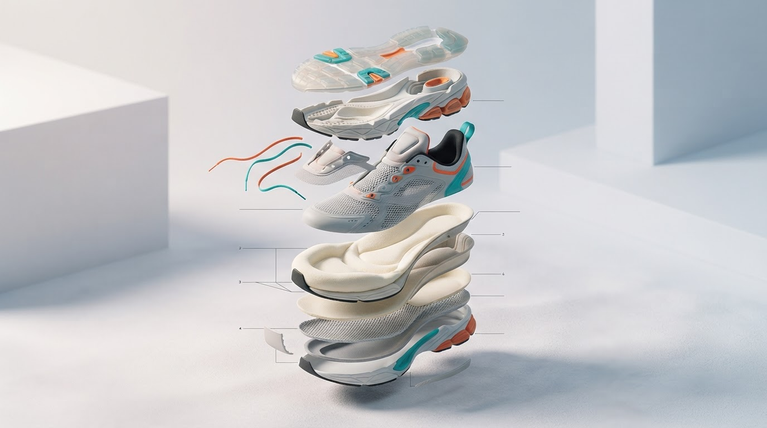
Look for shoes with responsive foam midsoles like those found in running shoe technology. Brands often use proprietary foams (think Nike’s React, Adidas Boost, or New Balance Fresh Foam) that absorb impact without adding bulk. Arch support matters too, especially if you’re prone to plantar fasciitis or general foot fatigue.
Breathability
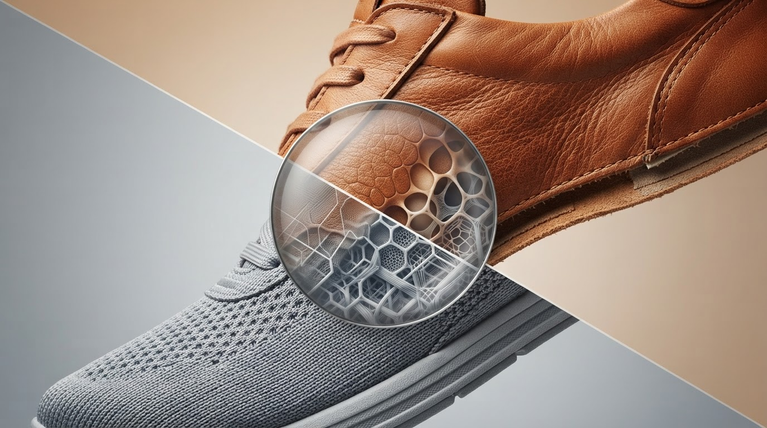
Mesh uppers keep feet cool during long walks in warm climates. Knit fabrics have become popular for travel sneakers because they flex with your foot and pack down small without creasing badly.
Versatility
A good travel sneaker works with jeans, shorts, or a casual dress. Neutral colors like white, gray, black, or tan blend into more outfits, which means you can bring fewer pairs.
Durability
Trips involve rain, mud, uneven pavement, and general wear that your shoes rarely face at home. Rubber outsoles with good tread patterns handle wet surfaces and cobblestones far better than flat, smooth soles.
Top Features to Compare Before You Buy
Here’s a breakdown of the features that matter most, ranked by how much they affect your actual travel experience.
| Feature | Why It Matters | What to Look For |
|---|---|---|
| Weight | Reduces fatigue and luggage load | Under 10 oz per shoe |
| Midsole cushioning | Absorbs shock during long walks | Foam-based (EVA, Boost, React) |
| Breathability | Keeps feet cool in warm climates | Mesh or engineered knit upper |
| Outsole grip | Handles wet or uneven terrain | Rubber with multidirectional tread |
| Packability | Saves suitcase space | Low-profile, flexible construction |
| Style versatility | Works across multiple outfits | Neutral colors, clean silhouette |
Best Sneaker Types for Different Travel Styles
Not every trip calls for the same shoe. I pick based on the kind of travel I’m doing, and you should too.
City sightseeing trips call for a cushioned walking shoe with strong arch support. You’ll rack up 15,000 to 20,000 steps a day exploring on foot, so comfort has to come first.
Business travel needs a sneaker that looks sharp with slacks but still feels soft enough for a rushed sprint through an airport terminal. Minimalist leather or suede sneakers in white or black work well here.
Outdoor or adventure travel benefits from trail-ready sneakers with reinforced toe caps and grippier soles, especially if your itinerary includes hikes or uneven paths.
Beach or tropical trips do best with a lightweight, quick-drying sneaker or a slip-on style that handles sand and occasional water exposure without falling apart.
Packing Tips for Sneaker-Loving Travelers
Bringing the right shoes is only half the battle. How you pack them matters just as much.
- Stuff socks or small items inside your shoes to save space and keep their shape intact.
- Use a shoe bag or shower cap to separate dirty soles from your clean clothes.
- Pack no more than two pairs for most trips: one for walking, one for evenings or dressier occasions.
- Wear your bulkiest pair on the plane instead of packing it, since shoes take up more suitcase space than almost anything else.
- Choose slip-on or quick-lace styles to speed through airport security.
Breaking In Shoes Before a Trip
Never wear brand-new sneakers on the first day of a trip. I learned this the hard way on a trip to Lisbon, where a fresh pair of sneakers left me with blisters on both heels by lunchtime. Break in any new pair for at least a week of regular wear before you leave, walking a few miles each day so the material softens and molds to your foot shape.
If blisters are a recurring issue for you, moisture-wicking socks and a small tin of blister balm in your carry-on solve problems fast. Prevention beats treatment every time when you’re miles from a pharmacy.

Final Thoughts and Key Takeaways
The right travel sneaker comes down to a simple formula: lightweight construction, solid cushioning, breathable materials, and a design that works across multiple outfits and settings. Skip the shoes that look great sitting in a closet but fall apart after five miles of pavement.
Before your next trip, take stock of your sneaker rotation and ask whether your current pair can handle a full day of walking, changing weather, and a wardrobe that spans casual to semi-formal. If the answer is no, it’s worth investing in a pair built specifically for the demands of travel. Your feet will thank you somewhere around mile twelve.