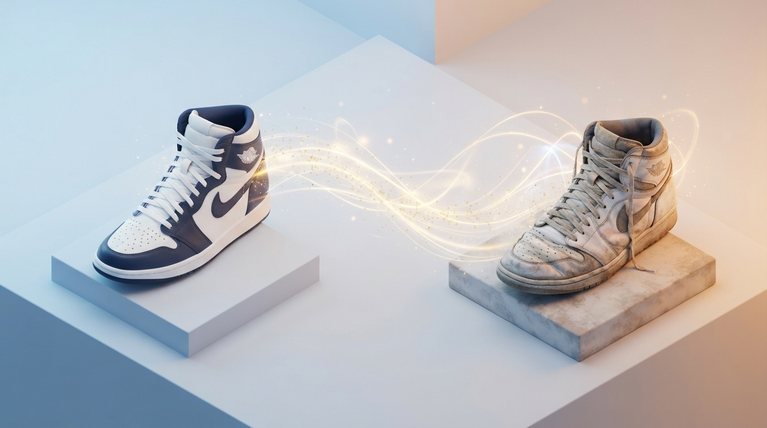

Sneaker Brand Comparison: Quality, Comfort, and Sizing
 0
0
 0
0
I’ve owned somewhere north of 150 pairs of sneakers over the past two decades, and I’ve returned or resold at least 30 of them because the fit was wrong. That’s not a knock on my judgment. It’s a reflection of how wildly inconsistent sizing and build quality are across brands. A size 10 in one label can feel like a 10.5 in another and a 9.5 in a third.
This guide breaks down how the major sneaker brands actually perform once you get them out of the box and onto your feet for six months. I’m covering Nike, Adidas, New Balance, Asics, Puma, and Converse, since these are the brands most people are choosing between at any given moment.
Quality: What Holds Up and What Falls Apart
Quality in sneakers comes down to three things: the materials used, the construction method, and how the midsole ages. A shoe can look sharp on day one and turn into a floppy mess by month four if the manufacturer cut corners.
Materials and Craftsmanship
New Balance has built its reputation on this front. Models like the 990 series use pigskin suede and mesh combinations that resist creasing and abrasion far better than the fully synthetic uppers you find on budget sneakers. Their “Made in USA” and “Made in UK” lines cost more, often $180 to $200, but the stitching and material grade justify it.
Asics runs a close second, particularly with running-focused models like the Gel-Kayano and Gel-Nimbus. The gel cushioning units are durable, and the mesh uppers breathe well without tearing at the seams the way cheaper mesh does.
Nike is a mixed bag. Premium lines like Air Jordan retros use solid leather and suede, and the quality control is generally tight. But mass-market Nike runners, especially anything under $100, lean heavily on synthetic overlays that crack after heavy rotation. I’ve had a pair of Nike Revolution shoes split at the toe box after four months of casual wear.
Adidas sits in the middle. The Ultraboost line has a Primeknit upper that holds up well and a Boost midsole that resists compression longer than most foam alternatives on the market. Their Stan Smith and Samba models, built with simpler leather construction, are practically indestructible with basic care.
Puma and Converse both trail the pack on pure material quality. Converse Chuck Taylors are iconic, but the canvas upper and rubber sole were never built for durability. Expect a well-worn pair to show sole separation within a year of regular use. Puma has improved recently with lines like the Suede Classic, but overall build quality still lags behind New Balance and Asics.
Longevity Rankings
Based on years of wearing these brands through daily rotation, here’s how I’d rank overall durability:
- New Balance: best midsole retention and upper durability, especially in Made in USA/UK lines
- Asics: excellent for high-mileage runners, gel units age slowly
- Adidas: Boost foam holds up well, Primeknit uppers are solid
- Nike: strong in premium lines, weaker in budget synthetic models
- Puma: improved but inconsistent across product lines
- Converse: iconic design, weakest long-term durability
Comfort: Cushioning, Support, and Break-In Time
Comfort is subjective, but there are measurable factors that separate a genuinely comfortable shoe from one that just looks good in photos. Midsole foam type, arch support, and break-in period all matter.
Cushioning Technology Compared
Adidas Boost foam is my personal favorite for all-day comfort. It has a springy, energy-returning feel that softens impact without feeling mushy. Nike’s React foam is lighter and more responsive, which running purists tend to prefer for speed work, but it offers less plush cushioning for standing or walking all day.
Asics Gel technology remains the gold standard for anyone dealing with joint issues or overpronation. The gel pods absorb shock directly under the heel, which makes a noticeable difference if you’re on your feet for eight-plus hours.
New Balance uses a range of foams depending on the line, from the softer Fresh Foam to the firmer ACTEVA. Fresh Foam models like the 1080 are some of the most comfortable shoes I’ve tested straight out of the box, with almost no break-in period required.
Puma’s SoftFoam+ and Converse’s flat rubber soles sit at the lower end of the comfort spectrum. Converse in particular offers close to zero arch support, which is fine for short wear but becomes a real problem after two or three hours on your feet.
Break-In Period
Some shoes reward patience. Others punish you if you expect a break-in period at all.
| Brand | Average Break-In Time | Out-of-Box Comfort |
|---|---|---|
| New Balance | Minimal (0 to 2 wears) | High |
| Adidas | Short (1 to 3 wears) | High |
| Asics | Short (1 to 3 wears) | Medium-High |
| Nike | Medium (3 to 5 wears) | Medium |
| Puma | Medium (3 to 5 wears) | Medium |
| Converse | Long (5 to 10 wears) | Low |
Sizing: Where Most People Get Burned
Sizing inconsistency is the single biggest source of sneaker returns, and it’s the reason I always recommend checking brand-specific size charts before buying anything you can’t try on first.
Brand-by-Brand Sizing Notes
Nike tends to run large in most lifestyle and running models. I size down half a size in nearly everything except Jordans, which run closer to true to size. Adidas runs a bit tight through the toe box, so sizing up half a size is common advice, especially for wider feet.
New Balance is one of the most reliable brands for true-to-size fitting, and they offer width options (2E, 4E) that most competitors skip entirely. This alone makes them the better choice for anyone with wider feet who’s tired of guessing.
Asics runs true to size length-wise but has a narrower heel structure, which works well for people with narrow feet and poorly for those with wider heels. Puma runs slightly large, similar to Nike, while Converse Chuck Taylors famously run large enough that sizing down a full size is standard advice among longtime wearers.

Key Takeaways
Quality, comfort, and sizing don’t move together across brands, so you can’t judge a shoe on reputation alone. New Balance leads on durability and true-to-size fitting. Adidas and Asics offer the best cushioning technology for different needs, energy return versus shock absorption. Nike and Puma reward careful model selection since quality varies wildly across their catalogs. Converse wins on style but asks you to sacrifice comfort and longevity in return.
Before your next purchase, check the specific model’s reviews rather than relying on general brand reputation, and always cross-reference the brand’s size chart against your usual size. Your feet will thank you, and so will your wallet.