Wide Feet Sneaker Guide: The Best Fitting Shoes Reviewed
 0
0
 0
0
If you’ve spent years cramming your feet into shoes that pinch your pinky toe or leave red marks across the widest part of your foot by lunchtime, you already know the frustration. Most sneaker brands design around a “standard” last that fits maybe 60% of the population comfortably. The rest of us end up sizing up, cutting insoles, or just living with discomfort because we assume that’s the price of wearing decent-looking shoes.
It doesn’t have to be that way. Plenty of brands now build genuine wide and extra-wide options, and some silhouettes run roomy even in standard sizing. I’ve tested dozens of pairs over the years, both for myself and for friends with wide feet, and I’ve got real opinions about what actually works versus what just slaps a “wide” label on the box.
How to Know If You Actually Have Wide Feet
Before you start shopping, get an honest read on your foot shape. A lot of people assume they have wide feet when the real issue is high volume (a tall instep) or simply the wrong shoe shape for their foot.
Measure your foot at its widest point, usually across the ball of the foot, while standing and bearing full weight. Compare that number against a brand’s width chart rather than guessing based on how a different brand’s shoe felt. Width standards vary a lot between brands, so a “D” in New Balance is not the same fit as a “D” in Nike.
Signs you likely need wide sneakers:
- Your pinky toe consistently rubs or blisters
- You can see the shoe’s upper bulging at the sides after a few wears
- You size up just for extra room, but the shoe still feels tight across the forefoot and now slips at the heel
- Your foot looks noticeably wider than it is long when you trace it on paper
If several of these sound familiar, shop wide widths specifically rather than compensating with a bigger size. Length and width are separate problems, and solving one doesn’t fix the other.
What Makes a Sneaker Actually Wide Feet Friendly
A shoe labeled “wide” isn’t automatically comfortable. The construction matters as much as the width designation printed on the box.
Toe Box Shape
Look for a rounded or squared toe box rather than a tapered, pointed one. Brands like Altra build their entire lineup around a foot-shaped last with a wide, natural toe box, and it shows. Your toes should be able to splay naturally instead of getting funneled into a point.
Upper Material
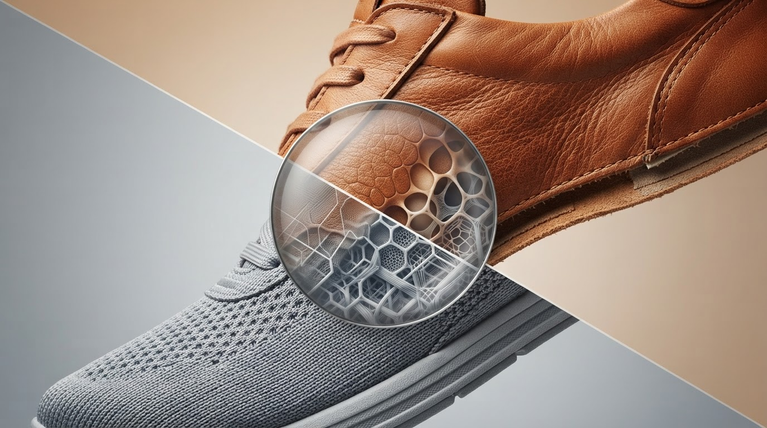
Knit and mesh uppers flex with your foot and accommodate width changes throughout the day, since feet swell during activity. Stiff synthetic leather uppers hold their shape and can dig in at pressure points no matter how “wide” the size runs.
Lacing System
A shoe with a longer lacing panel gives you more control over how much room you create across the midfoot. Shoes with short, high lacing tend to force a fit rather than let you adjust it.
Top Sneaker Brands for Wide Feet, Reviewed
I’ve narrowed this down to brands that offer true wide and extra-wide options with consistent sizing, not just a single “wide” model buried in their catalog.
New Balance is the gold standard here. Their width options run from B (narrow) all the way to 6E (extra extra wide) on select models like the 990 series and the 574. The 990v6 in particular has a wide, cushioned platform that works well for people who need both width and stability. I’ve recommended this shoe to more people than any other on this list.
Altra takes a different approach with its foot-shaped last across the entire line, not just specific wide models. The Altra Escalante and Altra Torin give your toes room to spread naturally, which matters if you deal with bunions or forefoot spread rather than just a wide heel. Runners with wide feet consistently rate Altra as their top pick.
Brooks offers 2E and 4E widths on running shoes like the Ghost and Adrenaline GTS. The Adrenaline GTS holds up well for people who need width plus support for mild overpronation, a combination that’s tough to find elsewhere.
Saucony has quietly built strong wide options into shoes like the Triumph and Guide series, with a softer upper that molds to foot shape over the first few wears.
Nike lags behind here. Their wide options are limited to a small handful of models, mostly in the Air Monarch and some Air Max styles, and the width difference between standard and wide is smaller than what you’ll find at New Balance or Brooks.
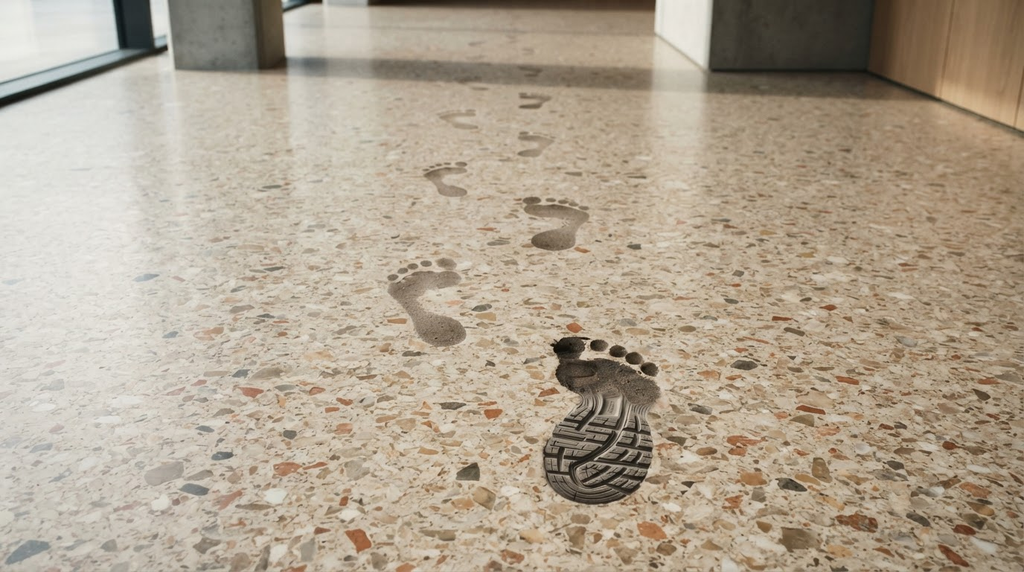
Comparison Table: Best Wide-Fit Sneakers by Category
| Brand & Model | Best For | Width Range | Notable Feature |
|---|---|---|---|
| New Balance 990v6 | Everyday wear, stability | B to 6E | Widest range on the market |
| Altra Torin | Running, natural toe splay | Standard, wide | Foot-shaped toe box |
| Brooks Adrenaline GTS | Overpronation support | 2E, 4E | Guide rails for stability |
| Saucony Triumph | Cushioned daily trainer | 2E, 4E | Soft, adaptive upper |
| Skechers Go Walk | Casual, all-day comfort | Wide, extra wide | Budget-friendly, slip-on options |
Fit Tips That Make a Bigger Difference Than You’d Think
Buying the right width is half the battle. A few adjustments can improve comfort even further.
Swap the stock insole for a slightly thinner one if the shoe feels tight in width but right in length. Stock insoles in some brands add unnecessary bulk that eats into usable width. Try shoes on later in the day when your feet have naturally swollen from walking, since this gives you a truer sense of all-day fit. Loosen the laces at the midfoot and tighten them more at the top for a custom fit that doesn’t compress the widest part of your foot.
If you’re between a wide and extra-wide, size up in width rather than in length. A longer shoe with too little width still causes the same rubbing and pinching you’re trying to avoid.
Key Takeaways
Wide feet don’t have to mean a lifetime of uncomfortable footwear or settling for ugly orthopedic-looking shoes. New Balance and Altra lead the pack for genuine width options and thoughtful construction, while Brooks and Saucony offer strong choices if you need extra arch support alongside room to breathe.
Measure your foot properly, pay attention to toe box shape and upper material, and don’t be afraid to size up in width instead of length. The right pair exists. It just takes knowing what to look for instead of grabbing the first shoe that claims to fit wide feet.
Try on a few pairs from this list, walk around the store for a few minutes, and trust how your foot feels by the end rather than the first thirty seconds. Your feet will thank you.