Best Sneaker Guide: Top Picks for Comfort and Daily Wear
 0
0
 0
0
I’ve put my feet through thousands of miles of sidewalk testing sneakers over the years, and I can tell you this much: most people buy shoes based on looks first and pay for that decision later with sore arches and cranky knees. Comfort and daily wearability are a different game than performance running shoes or hype sneakers. This guide breaks down what actually matters when you want a shoe you can live in, not just show off.
What Makes a Sneaker Comfortable for Everyday Use
Comfort isn’t one thing. It’s a combination of cushioning, fit, breathability, and how the shoe behaves after eight hours on your feet. A sneaker that feels plush in the store can turn stiff and unforgiving by hour three of a workday.
Midsole Cushioning Matters Most
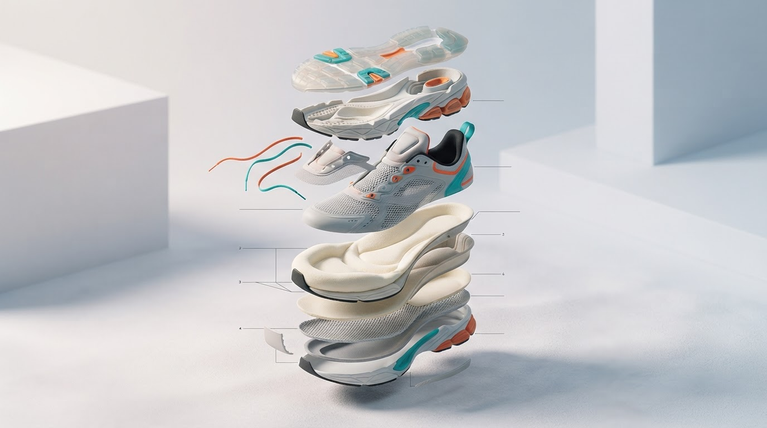
The midsole is the foam layer between your foot and the ground, and it does the heavy lifting for comfort. Brands use different foam technologies, and the differences are real, not just marketing.
- EVA foam: lightweight and affordable, but compresses faster over time
- PU foam: denser and more durable, holds its shape longer but weighs more
- Nike React: bouncy, resilient, holds up well over hundreds of miles
- Adidas Boost: soft and responsive, great for standing or walking all day
- New Balance Fresh Foam: plush underfoot feel, good for wider stride patterns
If you’re on your feet most of the day, prioritize a midsole known for durability over one that just feels soft in a five-second store test. Soft doesn’t always mean supportive.
Fit and Sizing Considerations
A shoe that’s a half size off will ruin even the best cushioning tech. Your toes need wiggle room, but your heel should stay locked in without sliding. I always recommend trying sneakers on in the afternoon, since feet swell slightly throughout the day and you want a fit that works at 4 p.m., not just 9 a.m.
Width matters just as much as length. Brands like New Balance and Brooks offer multiple width options, which makes a real difference for people with wider feet who normally feel squeezed in standard sneaker builds.
Top Sneaker Picks by Category
Here’s where I get specific. These are shoes I’d actually recommend to a friend who asked me what to buy for daily wear, not just names that show up on every “best of” list.
| Category | Shoe | Why It Works |
|---|---|---|
| All-day standing/walking | Adidas Ultraboost | Boost midsole holds cushioning over long hours |
| Budget daily wear | New Balance 574 | Solid comfort and durability under $80 |
| Wide feet | New Balance 990v5 | True-to-size fit with wide options available |
| Minimalist style | Common Projects Achilles | Clean look, breaks in to a comfortable fit |
| Warm weather | Nike Air Max 90 | Mesh paneling keeps feet cool, classic look |
| Office-casual | Allbirds Wool Runners | Breathable, machine washable, low-profile |
| Heavy daily mileage | Hoka Bondi | Maximalist cushioning absorbs impact all day |
For People on Their Feet All Day
If you work retail, hospitality, or any job that keeps you standing for eight-plus hours, cushioning and support beat style every time. The Hoka Bondi is a favorite of mine for this exact reason. It has a thick, forgiving midsole that soaks up impact, and the wide base keeps you stable even after hours of standing. Nurses and servers I’ve talked to swear by this shoe for a reason.
The Adidas Ultraboost is another strong option here. It runs a bit narrower than the Bondi, so it suits people with average to slightly narrow feet better. The Boost foam keeps its bounce far longer than typical EVA foam, which matters when you’re putting in real hours on your feet daily.
For Casual, Everyday Style
Not every sneaker needs to be a performance shoe. Sometimes you want something that looks sharp with jeans and holds up to daily errands without turning into orthopedic footwear. The New Balance 574 nails this balance. It’s affordable, comfortable out of the box, and pairs well with almost any casual outfit.
Common Projects Achilles sneakers cost more, but they age beautifully and mold to your foot over a few weeks of wear. I own a pair that’s three years old, and they look better now than when I bought them. That’s rare in the sneaker world.
How to Break In a New Sneaker Properly
Even the most comfortable sneaker needs a proper break-in period. Rushing this process is how people end up with blisters and end up shelving a good shoe.
Start by wearing the sneakers around the house for short stretches, thirty minutes at a time, before committing to a full day out. This lets the foam and upper material adjust to your foot’s specific shape without punishing you if something rubs wrong.
If you feel a hot spot forming on your heel or the side of your foot, address it immediately with a blister pad or moleskin rather than pushing through the pain. A shoe that causes discomfort in week one rarely improves dramatically by week three. Some break-in is normal, but constant pain is a sign the fit is wrong.
Materials That Affect Long-Term Comfort
The upper material of a sneaker affects breathability, flexibility, and how the shoe feels after repeated wear.
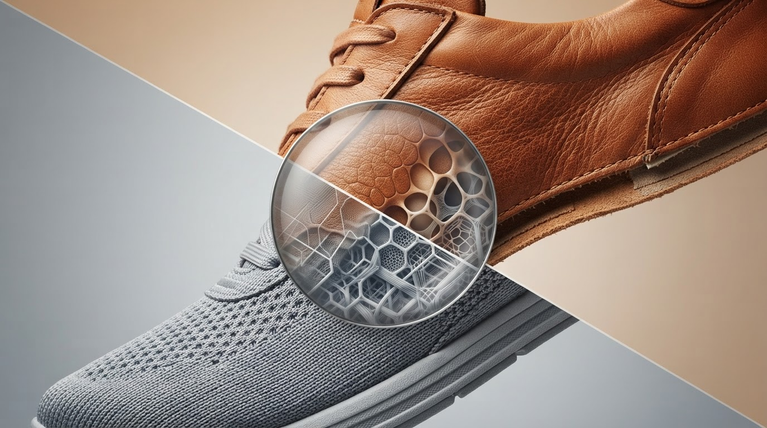
Mesh uppers breathe well and flex naturally with your foot, making them a strong choice for warmer climates or anyone prone to sweaty feet. Leather uppers, on the other hand, offer more structure and durability but need a longer break-in period before they truly conform to your foot shape.
Knit uppers, popular in shoes like the Nike Flyknit line, sit somewhere in between. They stretch to accommodate foot shape while still offering decent support around the midfoot. I’ve found knit uppers age well for people who deal with foot swelling throughout the day, since the material flexes rather than fights against it.
Caring for Your Sneakers to Maintain Comfort
Comfort degrades over time if you neglect basic maintenance. Rotate between two or more pairs of daily sneakers so the foam has time to decompress and recover its bounce between wears. Wearing the same pair every single day speeds up midsole breakdown significantly.
Clean your sneakers regularly, since dirt and moisture trapped in mesh or knit uppers can break down materials faster than normal wear. A simple wipe-down with a damp cloth and mild soap after dirty days keeps uppers in better shape long term.
Replace insoles every six to twelve months if you’re a daily wearer. Aftermarket insoles from brands like Superfeet or Dr. Scholl’s can extend the life of a shoe’s comfort even after the stock cushioning starts to flatten out.

Key Takeaways
Comfort comes down to midsole quality, proper fit, and material choice working together, not any single flashy feature. Match the shoe to your actual daily demands, whether that’s standing all shift or walking the dog twice a day. Break sneakers in gradually, rotate your pairs, and maintain them properly to keep that comfort going for the long haul.
Next time you’re shopping for daily sneakers, skip the shoe that just looks good under store lighting. Try it on in the afternoon, walk around the store for a few minutes, and picture wearing it for eight straight hours. Your feet will thank you.